
Professional Sprinkler Repair Services in Pocatello, Idaho
A sprinkler system is easy to overlook until something stops working correctly. Brown patches in the lawn, pooling water, low pressure, leaking valves, or sprinkler heads spraying in the wrong direction can all point to problems that waste water and affect the health of your landscaping.
Changing Seasons Landscape & Sprinklers provides practical sprinkler repair solutions designed to restore proper system operation, improve watering efficiency, and help prevent small irrigation problems from turning into larger repairs.
Sprinkler Problems We Repair
- Broken or damaged sprinkler heads
- Leaking irrigation valves
- Cracked underground sprinkler lines
- Low water pressure problems
- Controller and timer malfunctions
- Uneven watering and spray patterns
- Zones that will not shut off
- Freeze and seasonal system damage
Why Sprinkler Repair Matters More Than Most Homeowners Realize
Sprinkler repair is not simply about replacing a broken component. The entire irrigation system depends on balanced water pressure, properly operating valves, functional sprinkler heads, reliable wiring, and correctly programmed controls.
When one part of the system begins to fail, some areas of the landscape may receive too much water while others receive too little. Addressing problems early can help protect landscaping, improve efficiency, and reduce the likelihood of more expensive repairs later.
Small Problems Can Have a Larger Impact
A damaged sprinkler head may appear minor, but a pressure change or underground leak can affect an entire irrigation zone. Diagnosing the source of the problem instead of simply treating the visible symptom helps restore more dependable system performance.
Signs Your Sprinkler System May Need Repair
Irrigation problems can appear in many different ways. Changes in water pressure, lawn condition, spray patterns, system timing, or water usage can all indicate that part of the system needs attention.
Broken Sprinkler Heads
Cracked, damaged, clogged, or misaligned sprinkler heads can spray incorrectly, leak continuously, or leave areas of the lawn without adequate water.
Underground Leaks
Cracked irrigation lines can create soggy areas, reduce system pressure, increase water usage, and affect the performance of other sprinklers within the same zone.
Low Water Pressure
Weak spray patterns can be caused by leaking pipes, clogged heads, damaged valves, pressure problems, or other restrictions within the irrigation system.
Leaking or Stuck Valves
A malfunctioning valve can prevent a zone from turning on, allow water to continue flowing after shutdown, or cause inconsistent irrigation throughout the property.
Controller & Wiring Problems
Timers, controllers, wiring, and electrical connections can cause skipped zones, incorrect watering schedules, or systems that fail to activate when expected.
Freeze Damage
Idaho winters can be hard on irrigation equipment. Freezing temperatures and ground movement may crack pipes, damage valves, or create failures that become apparent during spring startup.
How a Sprinkler System Actually Works
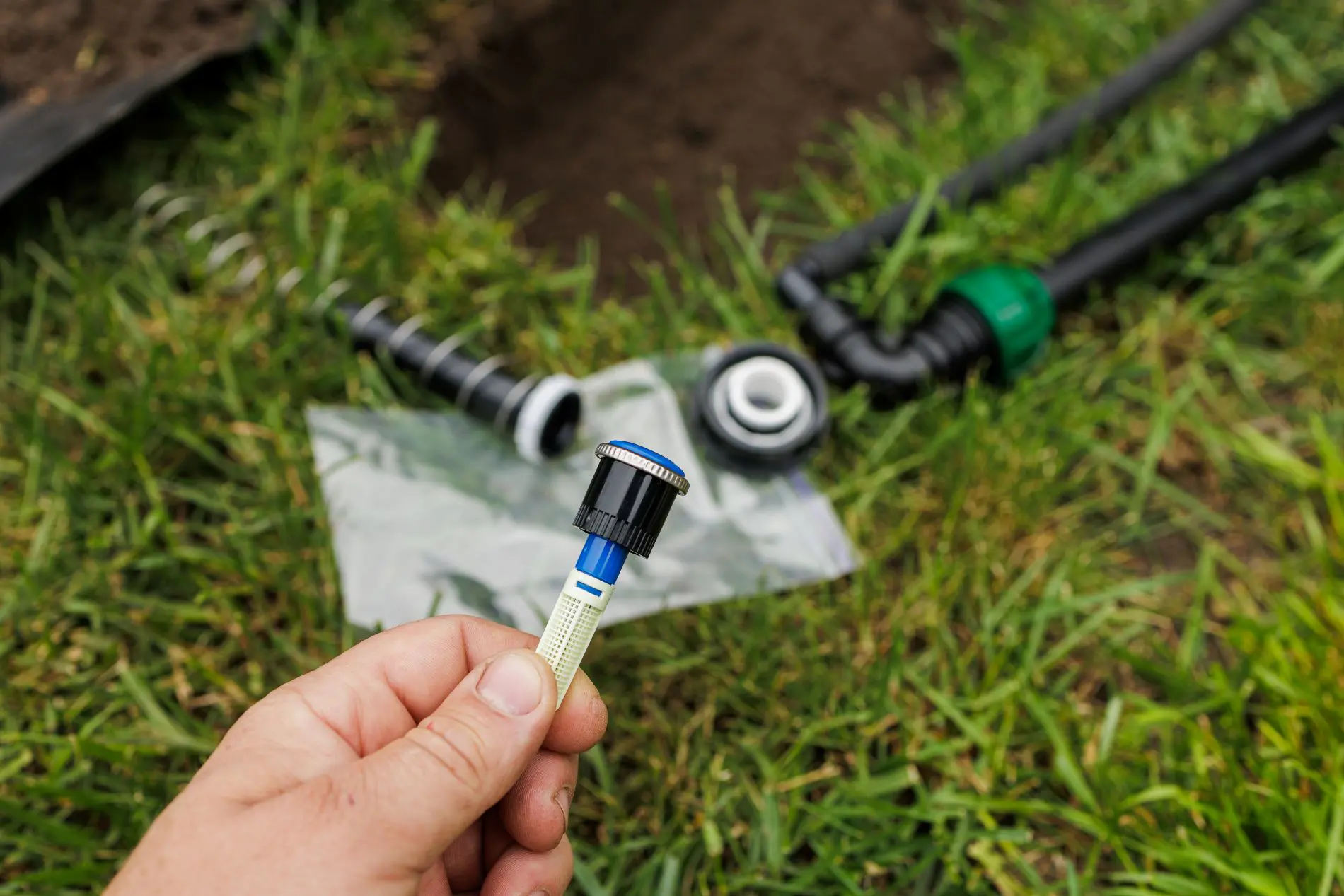
A sprinkler system distributes water through a network of underground pipes, control valves, sprinkler heads, wiring, and a controller. The controller acts as the brain of the system, telling individual watering zones when to operate.
When one component fails, it can affect much more than that individual part. A cracked underground line may reduce pressure throughout an entire zone, while a damaged sprinkler head can send water onto sidewalks or driveways instead of the landscape.
- Underground pipes carry water throughout the property
- Valves control individual watering zones
- Sprinkler heads distribute water across the landscape
- Controllers regulate schedules and watering times
- Sensors and system settings help manage irrigation
From Sprinkler Problem to Practical Solution
The visible symptom is not always the source of an irrigation problem. Our repair approach focuses on understanding how the system is behaving, finding the underlying issue, and determining the repair that makes sense for the property.
System Evaluation
We start by reviewing the problem you have noticed, when it occurs, and which areas or irrigation zones appear to be affected.
Zone Testing
The irrigation system can be operated zone by zone to check pressure, spray patterns, valves, sprinkler heads, and general system behavior.
Problem Diagnosis
We identify the likely source of the failure, whether the issue involves heads, underground piping, valves, wiring, controls, or pressure.
Professional Repair
Once the issue is understood, we make practical repairs or adjustments designed to restore proper operation and improve system efficiency.
Common Irrigation Repairs and Adjustments
Sprinkler systems contain many interconnected components. Depending on the source of the problem, repair may involve one individual part or several areas of the system.
Sprinkler Head & Nozzle Repair
Broken heads, worn nozzles, clogged openings, incorrect spray patterns, and damaged risers can affect both coverage and water efficiency. Repair or adjustment helps direct water where it belongs.
Underground Pipe & Line Repair
Cracked or damaged irrigation lines may cause pressure loss, pooling water, unusually wet soil, or higher water usage. Locating and repairing damaged lines helps restore the affected zone.
Sprinkler Valve Repair
Valves control water flow to individual zones. Faulty valves can create zones that will not activate, fail to shut off, leak continuously, or operate inconsistently.
Controller & Timer Repair
If watering schedules are incorrect, zones are being skipped, or the system does not respond properly, the controller, wiring, programming, or electrical connections may need attention.
Coverage & Spray Adjustment
Misaligned heads and poor spray patterns can leave dry areas while wasting water on pavement, structures, or already saturated sections of the landscape.
Drip Irrigation Repair
Damaged drip lines, emitters, connections, and tubing can prevent plants, garden beds, shrubs, and other targeted landscape areas from receiving consistent water.
Pressure Troubleshooting
Low or excessive pressure can affect the way sprinkler heads operate. We look for leaks, restrictions, valve issues, clogged components, and other causes of pressure problems.
Seasonal Freeze Damage
Freezing temperatures can damage pipes, valves, fittings, and other irrigation components. Seasonal inspection and repair can help identify problems before regular watering begins.
Small Sprinkler Repairs Can Deliver Long-Term Benefits
Waiting until an irrigation system completely fails can turn a relatively manageable problem into a more involved repair. Addressing leaks, pressure issues, valves, damaged heads, and controller problems earlier can protect both the system and the landscape it supports.
Efficient irrigation also helps reduce unnecessary water use while keeping lawns, trees, shrubs, and planted areas more consistently watered.
Lower Water Waste
Repairing leaks and poorly performing components can reduce unnecessary water usage and help control utility costs.
Healthier Landscaping
More even water distribution helps reduce dry areas as well as problems caused by excessive watering.
Longer System Life
Routine repairs and maintenance can reduce unnecessary strain on valves, pipes, controllers, and other irrigation components.
Fewer Major Repairs
Identifying smaller failures early may help prevent larger leaks, extensive excavation, or premature system replacement.
Better Efficiency
Correct pressure, spray patterns, timing, and zone performance help the irrigation system use water more effectively.
Water Conservation
An efficient sprinkler system can maintain attractive landscaping while reducing unnecessary water consumption.
A Little Preventative Maintenance Goes a Long Way
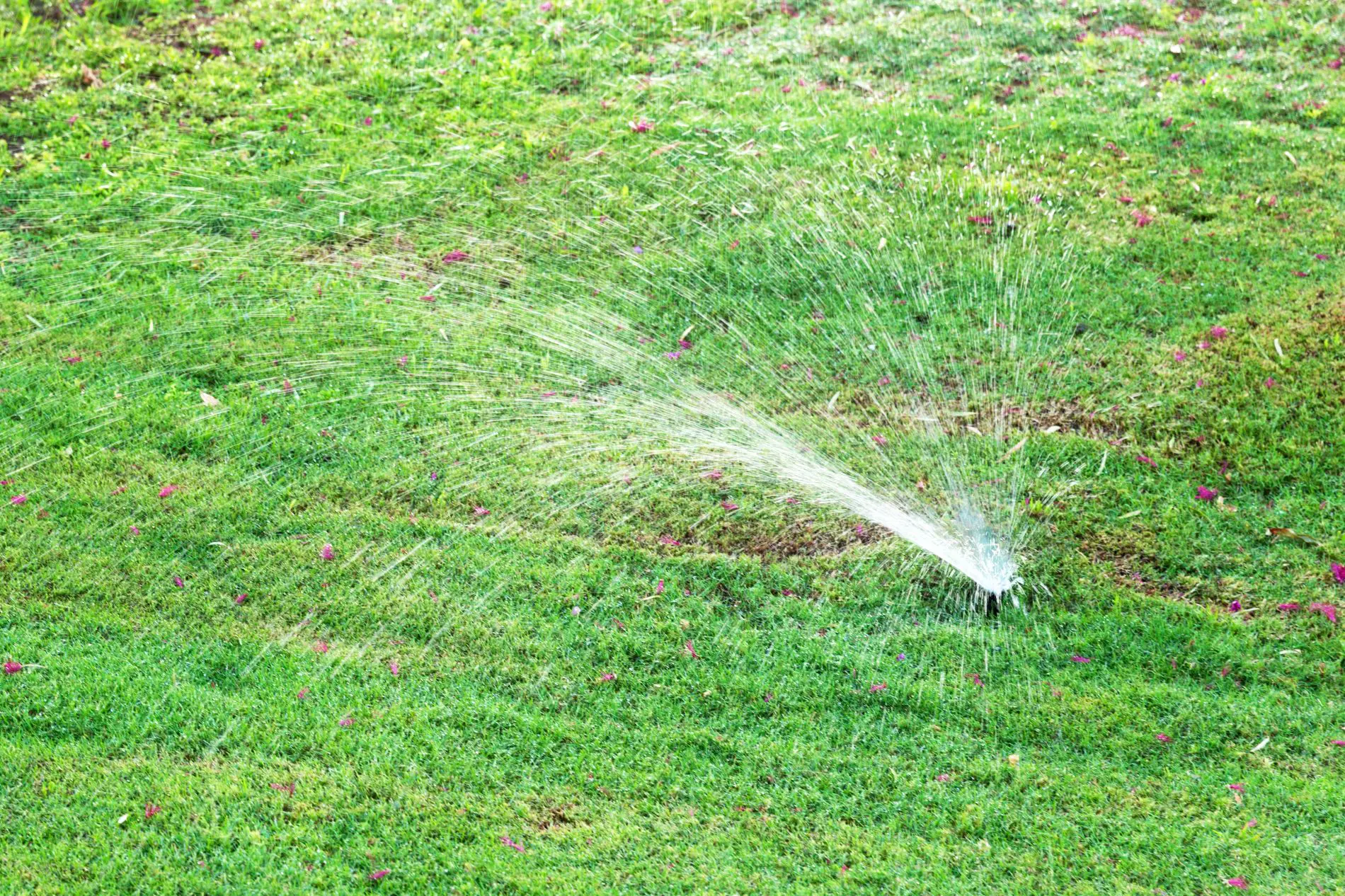
One of the best ways to avoid expensive irrigation failures is to find small problems during normal seasonal service. Minor adjustments and component replacements are often much easier to address than widespread damage caused by a leak or neglected system failure.
A simple seasonal maintenance plan can help identify worn parts, inefficient watering, pressure problems, and freeze-related damage before they become larger concerns.
- Spring sprinkler turn-on inspection
- Mid-season coverage adjustments
- Occasional head and valve replacement
- Controller and scheduling checks
- Fall irrigation winterization
Frequently Asked Questions About Sprinkler Repair
Sprinkler problems are not always obvious, especially when the issue is underground or limited to a single irrigation zone. These are some of the questions homeowners commonly have when their system stops performing correctly.
Low pressure can be caused by leaks, damaged valves, clogged sprinkler heads, restrictions, or pipe damage somewhere within the affected zone. Because several different problems can create the same symptom, testing the zone and inspecting its components helps determine the actual source of the pressure loss.
Yes. As trees and shrubs grow, their roots can shift soil and place pressure against underground irrigation pipes. Over time, that movement may crack, separate, or restrict sprinkler lines and create leaks or pressure problems.
Pooling water can indicate a damaged sprinkler head, leaking fitting, underground line problem, broken seal, valve issue, or drainage concern. Persistent standing water should be investigated because it may waste water and oversaturate the surrounding landscape.
With proper maintenance and timely repairs, many sprinkler systems can remain functional for 15 to 25 years or longer. Individual parts such as sprinkler heads, valves, wiring, and controllers may require repair or replacement during the life of the overall system.
A sprinkler zone that continues running after its scheduled cycle may have a stuck or damaged valve, wiring problem, controller malfunction, or another issue preventing the valve from closing properly.
Absolutely. Freezing temperatures, summer heat, soil expansion, contraction, and seasonal ground movement can all place stress on irrigation pipes, fittings, valves, and sprinkler heads. Idaho winters are especially important to consider because trapped water can freeze and damage irrigation components.
Smart controllers can be useful for homeowners who want greater control over watering schedules and system efficiency. Depending on the controller and setup, they can make it easier to adjust watering based on changing conditions and reduce unnecessary water use.
Misting often indicates excessive water pressure or worn sprinkler nozzles. Instead of creating larger droplets that reach the intended area, excessive pressure can turn the spray into a fine mist that drifts away and wastes water.
That depends on the age of the system, overall condition, efficiency, extent of the damage, availability of compatible replacement parts, and how frequently repairs are becoming necessary. In some cases, repairing individual components makes sense. In others, upgrading portions of the system may provide better long-term value.
Most systems benefit from seasonal inspections, particularly during spring startup and before winterization. Mid-season checks can also help identify coverage problems, damaged heads, leaks, pressure concerns, and other issues that develop during regular use.
Practical Sprinkler Repair Without Overcomplicating the Process
Our approach focuses on honest recommendations, reliable repairs, and solutions that make sense for the property and budget. Sprinkler repair should help your irrigation system work better, last longer, and use water more efficiently.
Practical Diagnosis
We focus on identifying what is actually causing the irrigation problem rather than simply treating the visible symptom.
Honest Recommendations
Repair options are explained clearly so you can make informed decisions about your existing sprinkler system.
Efficiency Focused
Proper repairs help improve water distribution, reduce waste, and support healthier lawns and landscaping.
Idaho Climate Experience
We understand how freezing temperatures, seasonal changes, and ground movement can affect irrigation systems over time.
Need Help With a Sprinkler Problem?
Whether you are dealing with a broken sprinkler head, underground leak, low water pressure, controller issue, seasonal damage, or a system that simply is not watering the way it should, Changing Seasons Landscape & Sprinklers can help diagnose the problem and determine the right repair.